

 Welcome to Glendale's premier provider of high-quality family and cosmetic dentistry. Our modern office is equipped with the latest technology to ensure that we're your one-stop shop for quality dental care. Dr. LaVant and Dr. Leonard were recently voted by their fellow dentists Peers in Phoenix Magazine as The Top General and Cosmetic dentists in Arizona, and along with our amazing Periodontist, Dr. Roya, we can handle most of your needs without the need for a referral. We'll treat you as an individual with unique needs and wants, and you'll never feel rushed. Other benefits of getting treatment here include:
- Early morning and evening hours for easy scheduling
- Relaxing visits with your choice of sedation options
- Our commitment to providing exceptional care
- An in-house membership plan to save on smile services
- A FREE jar of Dr. LaVant's grandmother's marinara sauce, Mamma Letizia's Gravy, for new patients
As a premier Glendale dental practice, we are always proud to welcome new patients and provide top-tier family dental care tailored to your unique needs. If you're looking for a trusted dentist near Glendale, AZ, you've come to the right place.
- Monday: 7:00am-4:00pm
- Tuesday: 8:00am-6:00pm
- Wednesday: 8:00am-7:00pm
- Thursday: 7:00am-7:00pm
- Friday: 7:00am-2:00pm
- Saturday & Sunday: Closed
Featured Special Offer
Right now, you can take $500 off the total cost of your Invisalign treatment.
View Our Special OffersDentists in Glendale, AZ

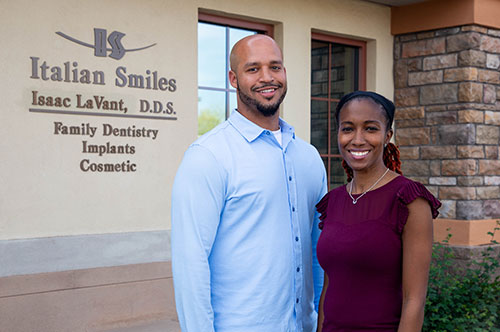
Dr. Isaac LaVant, dentist in Glendale, AZ help people get the dental care they need in a comfortable, nonjudgmental environment.
Dr. LaVant

When Dr. De’Shondra Leonard got braces at age 16, she knew she wanted to become a dentist when she got older.
Dr. Leonard
Straighten your smile without any metal using Invisalign's clear plastic teeth aligners. Not only are the aligners nearly invisible, but they're much more comfortable than braces as well. Talk to our dentist in Glendale, AZ to find out all the details and insurance benefits.
Replace your missing teeth with these prosthetic teeth roots. Implants are a great way to restore your bite and improve the look of your smile. Plus, they'll strengthen your jawbone. Call soon to schedule an implants consultation.
We offer fast help when you need it most. If you're experiencing a dental emergency, call us ASAP so we can get you the care you need to keep smiling. Sedation is always available if you're nervous about your treatment.
Range of Dental Services
At Italian Smiles, we specialize in high-end cosmetic and family dentistry to help you achieve your oral health goals. We are honored to be a trusted name for az cosmetic family dentistry, bringing dedicated family dental solutions right here to the Glendale community.
Give Your Smile Outstanding Care
At Italian Smiles, giving each patient an incredible dental experience is at the top of our list of priorities. We accomplish this through personalized care and quality individual attention. Dr. LaVant, voted one of the Top 15 Healthcare Influencers in the Phoenix Entrepreneurs magazine, leads our team of skilled dentists.
Our modern office is furnished with advanced dental technology to make your care as efficient and pleasant as possible. In addition, you’ll have a choice of relaxing sedation options for your treatment, either inhaled sedation with laughing gas or oral conscious sedation in pill form. Our entire dental team works hard to maintain a warm environment, ensuring you feel completely relaxed during every single dental visit. If there’s anything we can do to make you feel better, just let us know. We want you to leave our dental office with a smile.
Our multispecialty practice can handle all your dental care needs. Call your new general dentist in Glendale, AZ today at 602-857-9945 to schedule an appointment. You can also make an appointment online.
Unlike traditional braces that force you to wear metal brackets and wires for two or three long years, Invisalign clear aligners can deliver amazing results in a matter of months – usually about 12. Obviously it is different for everyone, but the sooner you get started on your transformative journey, the sooner you will get to enjoy that stunningly straight smile.
Dental implants are small titanium posts that your dentist will insert in your jaw where you are missing teeth. After a healing period in which they bond with the jawbone, the implants will be ready for us to secure new replacement teeth to them. Soon you will have a complete smile again and be able to bite and chew with ease.
You can give us a call for any dental emergencies you’re facing. Our team will get you in the same day in most cases. Once you’re in the office, we’ll stop your dental pain, help you relax, and repair your smile. We also offer two types of sedation that can eliminate any anxiety you might be feeling about your visit.
Italian Smiles FAQs
How often should you go to the dentist?
The frequency of visits to your local dentist is an individual decision based on your oral health needs. Ultimately, the best person to answer this question for you would be a dentist who has evaluated and assessed your mouth. Every patient is different in terms of their oral health and risk factors for dental diseases; therefore, it's important that you visit a qualified professional to determine what is best for you specifically.
On average, the American Dental Association recommends that individuals visit their dentist at least once every six months—or twice per year—for check-ups and cleaning. Keeping up with regular visits can help prevent more serious issues from developing in the future. It’s also important to note that some people may need more frequent appointments depending on unique circumstances such as risk factors (genetic predispositions or lifestyle habits) or if individuals suffer from certain conditions like gum disease which require additional attention to maintain good oral hygiene.
For those who fit into any of these categories, it's still very important for them to consult with a local expert about how often they should schedule appointments so they can maintain proper care accordingly. The recommendation might even be more often than two times a year depending on their situation! Either way, consulting with an experienced professional is always the most beneficial course of action when dealing with questions surrounding personal healthcare concerns like these!
Ready for your next dental visit? Contact our friendly dental team today to schedule comprehensive family dental services for your loved ones.
We want to give a huge thanks to My Scottsdale Dentist for providing this great information on how often your should visit the dentist!
What types of services do emergency dentist perform?
Emergency dentists are dental professionals who specialize in providing immediate care for urgent dental problems. These highly skilled and experienced practitioners are equipped to handle a wide range of dental emergencies, from severe toothaches to knocked-out teeth.
The type of services that emergency dentists perform can vary depending on the specific situation and needs of the patient. However, there are some common procedures that these specialists typically offer:
- Treatment for Toothaches: One of the most common reasons people seek out emergency dentists is for relief from severe tooth pain. An emergency dentist will first assess the cause of the pain and then perform appropriate treatment, such as a root canal or extraction.
- Repairing Broken Teeth: Accidents can happen at any time, leading to cracked or broken teeth. Emergency dentists in Glendale, AZ have the necessary tools and expertise to repair these damaged teeth using techniques like bonding or crowns.
- Managing Dental Injuries: Injuries to the mouth and jaw can be serious and require immediate attention from an emergency dentist. They are trained in treating injuries such as dislocated jaws, knocked-out teeth, fractured bones, and more.
- Replacing Lost Fillings or Crowns: If you have lost a filling or crown due to an accident or injury, visiting an emergency dentist is essential as it can prevent further damage and infection in your tooth.
- Relieving Impacted Wisdom Teeth: Wisdom teeth often emerge during young adulthood but don't always align properly with other existing teeth in your mouth causing discomfort, inflammation, jaw stiffness etc. . An experienced emergency dentist has expertise in removing impacted wisdom teeth effectively.
Handling Dental Abscesses: A dental abscess occurs when there's an infection in your tooth caused by bacteria, food debris getting trapped between gums &teeth resulting into gum disease & tissue surrounding roots infected damaging nerves too creating unbearable pain swelling around affected area also puts pressure on nerves sending sharp shocking sensation along jawline - an emergency dentist drains abscess out & treat unpleasant symptoms.
In addition to these services, emergency dentists may also provide emergency dental hygiene care, such as cleaning and removing tartar from teeth. They can also prescribe antibiotics or painkillers depending on the situation.
It is worth noting that emergency dentists are not just limited to treating urgent dental problems. They can also offer preventive care, helping patients avoid future emergencies by identifying potential issues during their visit.
Emergency dentists play a crucial role in providing immediate help for a wide range of dental emergencies. Their specialized skills and knowledge allow them to handle various situations effectively while alleviating pain and discomfort for their patients. If you ever find yourself in need of urgent dental care, do not hesitate to seek out the services of a trusted and competent emergency dentist near you.
We want to give a huge thank-you to Dr. Patel and his team from Alpha Dental Excellence for providing us with this wonderful insight into emergency dental services!
When searching for an emergency dentist near me, please consider using our services!
Can a dentist pull an infected tooth?
 We decided to ask our friends at Midtown Family Dentistry in Dallas to answer this great question for us. Here is what they had to say on this topic.
"Yes, a dentist can pull an infected tooth. The process is called a tooth extraction and typically involves numbing the area where the tooth will be removed and then using special dental instruments to loosen the tooth before it is removed. It usually takes just a few minutes to perform, depending on how much damage there is to the surrounding tissue or gums.
Going to the dentist near Glendale, AZ at least twice a year for regular check-ups and cleanings is recommended by most dentists. This allows your dentist to monitor any changes in your mouth such as cavities, periodontal disease, or oral cancer that could be indicative of a bigger problem if left unchecked. Additionally, regular cleanings are important for maintaining overall oral health and preventing future issues from developing in the mouth such as cavities or gum disease. Depending on what type of treatment you are receiving from your dentist (such as fillings or crowns) additional visits may be necessary too.
To keep up with optimal oral hygiene habits, brushing twice a day for two minutes each time as well as flossing regularly are also very important factors that should not be overlooked when it comes to taking care of your teeth!"
If you have an infected tooth, or are in pain, call us today! We are here to help!
When will I see results from Invisalign?
Unlike traditional braces that force you to wear metal brackets and wires for two or three long years, Invisalign clear aligners can deliver amazing results in a matter of months – usually about 12. Obviously it is different for everyone, but the sooner you get started on your transformative journey, the sooner you will get to enjoy that stunningly straight smile.
How do I stop from teeth grinding?
Teeth grinding, also known as bruxism, can be a very stressful condition that many people suffer from on a daily basis. The good news is there are steps you can take to prevent and stop teeth grinding.
First and foremost, your dentist may recommend using an occlusal guard or night guard when sleeping. This guard will physically protect your teeth from the grinding pressure by providing a cushion-like barrier between the upper and lower jaws. Most of these devices are fitted by dental professionals and allow for maximum comfort in comparison to over-the-counter products.
If you’re experiencing teeth grinding due to stress or anxiety, it’s important to spend time relaxing during the day or trying relaxation techniques such as yoga or meditation before bedtime helps reduce muscle tension that could lead to teeth grinding during sleep. Additionally, avoiding alcohol and caffeine before going to sleep could help as they have been linked with increased instances of bruxism at night.
How do I find the best dentist near me?
Finding the best dentist near me is an important decision and there are several factors to consider before making your choice. First, determine what type of dentist you need - general dentistry, cosmetic dentistry, pediatric dentistry, etc. Then look for a dental office that can provide these services and ensure they have an up-to-date license and certification from a reputable organization.
Once you've narrowed down your list of options, take some time to read reviews from existing patients who have already visited the office. It's also a good idea to check out their website in order to learn more about their practice philosophy and background information on their team members. When possible, meet with the dentist in person or schedule a phone consultation to get specific answers to any questions or concerns that may arise.
Finally, consider other factors such as financials (cost of procedures), availability (hours), location (distance), and comfort level with staff/category of procedure offered by the dentist when finalizing your decision on which one would be best for your needs!
Special thanks to our friends at Evergreen Pediatric Dentistry for sharing this information with us!
Do I need a mouth guard for teeth grinding?
Yes, you do need a mouth guard for teeth grinding. Teeth grinding, or bruxism is a disorder that can cause serious jaw and facial pain if left untreated. It is important to get professional advice when it comes to mouth guards for teeth grinding because there are different types of mouth guards available and each has its own advantages and disadvantages. Custom-fit nightguards provide the most protection from bruxism because they fit securely in your mouth and help prevent tooth wear caused by grinding throughout the night.
What is the difference between general dentistry and cosmetic dentistry?
Cosmetic dentistry and general dentistry are two distinct types of dental care. General dentists focus on preventative treatments such as cleaning, fillings, root canals, and other procedures to maintain overall oral health. On the other hand, cosmetic dentists specialize in aesthetic treatments such as teeth whitening, veneers, bonding, and crowns to improve a person’s smile or facial appearance.
In terms of services provided for general dentistry vs cosmetic dentistry, it is important to note that many common dental procedures overlap between the two disciplines. For instance, a crown that restores tooth structure damaged by decay or trauma may be considered both a restorative (general) procedure and an aesthetic (cosmetic) treatment if it improves the color or shape of the affected tooth.
The main difference between general dentistry and cosmetic dentistry is basically how far beyond basic health care they take their work – while your general dentist keeps your mouth healthy with cleanings and check-ups. Cosmetic dentist has advanced their studies into making your teeth look great too! This means that apart from having specialized training in more complex procedures like porcelain veneers, gum recontouring, or full-mouth restoration. These professionals have also invested significant time in perfecting artistic techniques related to esthetics such as color matching of porcelain materials to create custom veneers that perfectly integrate into patients' smiles.
When do I need to get a root canal?
Root canal therapy is a dental procedure that involves removing infected or damaged tissue from the inside of a tooth. It’s typically done to save an infected tooth from having to be removed completely, thus preserving your natural smile.
In general, you should get a root canal when a deep cavity or trauma has caused infection and inflammation in the center of the tooth (known as the pulp). Some common indicators that indicate it may be time for a root canal include lingering pain even after taking an over-the-counter analgesic, severe sensitivity to hot and cold temperatures, swelling around the gum line, discoloration on part or all of one particular tooth, increased discomfort at night, and tenderness when chewing food. If any of these symptoms persist, make sure to schedule an appointment with your dentist right away so they can accurately diagnose whether or not you need a root canal.
Thank you to Premier Smiles for sharing this answer with us!
Are dental implants expensive?
Dental implants are a great option for those who have lost teeth due to injury, disease, or decay. However, the cost of dental implants can be prohibitively expensive for some people. The actual cost depends on several factors including the amount and type of implant needed and whether or not other treatments such as bone grafting are necessary.
What is TMJ?
TMJ stands for Temporomandibular Joint and it is mainly referred to as the joint, that connects your jaw bone to your skull. This connection allows for movement of the lower jaw, which facilitates eating, speaking and yawning. Commonly known as TMJ Syndrome or TMD (Temporomandibular Disorder), this condition can cause pain, discomfort and a range of other associated problems.
What is restorative dentistry?
Restorative dentistry refers to the integrated management of oral health problems and restoring the mouth to a functional and aesthetic state. It is a specialization within dentistry that focuses on repairing or replacing damaged or lost teeth, addressing issues related to the gums, jaw, and other structures of the mouth. The primary goal is to preserve natural teeth as much as possible, but restorative dentistry also includes the use of dental prosthetics when necessary.
Procedures under restorative dentistry include fillings, crowns, bridges, dentures, and dental implants. Fillings are used to repair minor to moderate tooth damage, like cavities or small fractures. Crowns, on the other hand, are used when the damage is more severe. Bridges, dentures, and dental implants are options for replacing missing teeth. These procedures not only improve the appearance of the smile but also help maintain proper oral health and functionality.
Restorative dentistry plays a vital role in managing oral health. By addressing problems early on, it helps prevent further complications that could lead to pain, infection, and even loss of teeth. It's crucial to remember that regular dental check-ups are an essential part of maintaining good dental health and catching potential issues before they become serious.
What are full-mouth dental implants?
Full-mouth dental implants are a comprehensive solution for individuals who have lost most or all of their teeth. They function as an advanced alternative to traditional dentures, providing a fixed, more stable, and long-lasting solution for complete oral rehabilitation. Dental implants consist of small titanium posts that are surgically inserted into the jawbone, where they act like the roots of missing teeth. On top of these posts, a full set of artificial teeth is securely attached.
The main advantage of full-mouth dental implants over traditional removable dentures is their ability to prevent jawbone loss, which is a common consequence of tooth loss. Since the implants fuse with the jawbone, they provide the stimulation that the bone needs to maintain its density. This not only preserves the facial structure but also ensures a secure fit for the artificial teeth, eliminating the discomfort and inconvenience often associated with dentures.
Moreover, full-mouth dental implants offer superior aesthetics and functionality. They look, feel, and function like natural teeth, allowing individuals to eat, talk, and smile with confidence. They do not require any special cleaning procedures beyond regular brushing and flossing. However, it's crucial to note that while dental implants have a high success rate, their suitability depends on several factors, including the individual's general health, oral health, and bone density. Therefore, a thorough examination and consultation with a dental professional is necessary before proceeding with this treatment.
Are Invisalign alternatives as effective as Invisalign?
Invisalign has been a widely recognized and trusted brand in the field of clear aligner orthodontic treatment for many years. Known for its custom-fitted, virtually invisible aligners, it has revolutionized the way we approach teeth straightening. However, with advancements in technology, there are now several Invisalign alternatives on the market that claim to provide similar results. These include brands like ClearCorrect, Byte, and SmileDirectClub.
These alternatives also use clear, custom-made aligners to gradually shift teeth into desired positions. For instance, ClearCorrect operates similarly to Invisalign and has been used successfully to treat a variety of orthodontic issues. Byte and SmileDirectClub offer at-home orthodontic treatments that can be more convenient and cost-effective for some patients, especially those with mild to moderate alignment issues.
However, while these alternatives may seem appealing, particularly due to their often lower cost, it's important to understand that effectiveness can vary and is dependent on several factors. These include the complexity of the patient's individual case, the accuracy of the treatment planning process, the quality of the aligners, and the patient's compliance with their treatment plan. Invisalign has a long-standing reputation and extensive data supporting its effectiveness, while some of its competitors are relatively new to the market. Therefore, it's crucial to have a thorough discussion with your orthodontist or dentist to determine the best treatment option for your specific needs and to ensure you receive the highest standard of care.
Does Invisalign treatment affect my daily life?
Invisalign treatment is designed to have minimal impact on your daily life. One of the key benefits of this orthodontic solution is its convenience and adaptability to your lifestyle. The clear aligners are discreet and can be removed when eating, drinking anything other than water, brushing, and flossing. This means there's no need to adjust your diet or oral care routine. Plus, they're less noticeable than traditional braces, so you can maintain your confidence while undergoing treatment.
However, it's important to remember that for the treatment to be effective, you should wear your aligners for 20-22 hours a day. This means you'll need to be mindful about putting your aligners back in after meals and cleaning. You may experience some initial discomfort when starting a new set of aligners, as your teeth begin to shift. But this typically subsides after a few days. Overall, while there may be minor changes to your daily routine, Invisalign is designed to blend seamlessly into your everyday life.
What is advanced cosmetic dentistry?
Advanced cosmetic dentistry is a specialized field of dentistry that focuses on improving the overall aesthetics of your teeth and smile. It encompasses several procedures designed to enhance the appearance of your teeth, making them whiter, straighter, and more uniform. The procedures include but are not limited to teeth whitening, dental veneers, bonding, dental implants, and orthodontic treatments.
These procedures not only boost your self-confidence but also contribute to better oral health. For instance, aligning crooked teeth can make them easier to clean, thus reducing the risk of cavities and gum disease. It's important to note that the suitability of these procedures varies from person to person, depending on their oral health status and aesthetic goals. Therefore, a consultation with a dental professional is necessary to determine the most appropriate treatment options.
What is Invisalign?
Invisalign is a modern orthodontic treatment designed to straighten teeth without the use of traditional metal braces. It utilizes a series of custom-made, clear plastic aligners that fit snugly over the teeth. These aligners are virtually invisible, making them a popular choice for adults and teens who prefer a more discreet option for correcting their smile. The aligners are engineered to apply precise pressure to the teeth, gradually shifting them into the desired position over time.
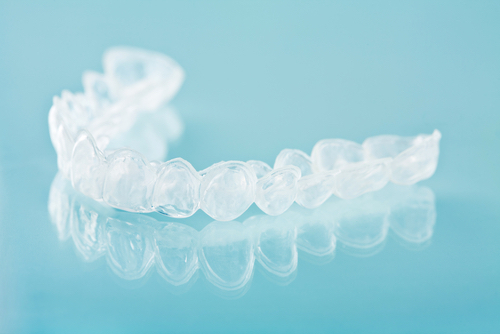
The process of Invisalign treatment begins with a consultation, during which a dental professional takes 3D digital scans of the patient's mouth. These scans are used to create a personalized treatment plan and fabricate a series of aligners tailored to the individual's orthodontic needs. Patients wear each set of aligners for about two weeks before moving on to the next in the series, with each step bringing them closer to their ideal smile. One of the key benefits of Invisalign is its convenience: the aligners are removable, allowing for easier eating, brushing, and flossing compared to traditional braces.
How much does Invisalign cost?
The cost of Invisalign treatment can vary widely depending on several factors, including the complexity of the dental issues being addressed, the duration of the treatment, and the geographic location of the dental practice. Generally, more complex or severe orthodontic needs require a longer treatment time and possibly more aligners, which can increase the overall cost. Additionally, prices may differ from one region to another due to variations in the cost of living and the operating costs of dental practices.
It's also important to note that many dental insurance plans offer coverage for Invisalign just as they would for traditional braces, which can significantly reduce out-of-pocket expenses. Patients are encouraged to consult with their insurance provider to understand the specifics of their coverage. For those without dental insurance or looking for additional ways to manage the cost, many dental offices offer payment plans or financing options to make Invisalign treatment more accessible. Ultimately, the best way to get an accurate estimate of the cost is to schedule a consultation with an orthodontist or dentist who offers Invisalign services. They can provide a detailed treatment plan and cost estimate based on an individual's unique dental needs.
Are Invisalign aligners better than traditional braces?
Whether Invisalign aligners or traditional braces are better depends largely on the individual's specific needs and preferences. Both options serve the same purpose: to straighten teeth and improve oral health. However, they do so in different ways and each comes with its own set of advantages and disadvantages.
Invisalign aligners are clear, removable devices made from a flexible plastic material. They are custom-made for each patient and work by gradually shifting the teeth into their correct positions. One of the main advantages of these aligners is their near-invisibility, making them a popular choice for adults and teenagers who want a less noticeable orthodontic treatment. They're also removable, which makes eating, brushing, and flossing easier compared to traditional braces. However, they may not be suitable for more complex dental issues and require discipline as they need to be worn for 20-22 hours per day to be effective.
Traditional braces, on the other hand, consist of metal brackets and wires that apply constant pressure to move teeth over time. They are highly effective in treating a broad range of dental issues, including severe misalignments. While they are more visible and can make certain aspects of oral hygiene more challenging, advancements in orthodontics have led to smaller, less noticeable brackets. Additionally, traditional braces require less compliance as they are not removable.
In conclusion, the choice between Invisalign aligners and traditional braces should be made in consultation with an orthodontist, taking into consideration the severity of the dental issue, the patient's lifestyle, and personal preference.
What is the best way to clean my Invisalign?
The best way to clean your Invisalign is to brush them with a soft toothbrush, lukewarm water, and an antibacterial cleanser approved by the American Dental Association (ADA). Start by taking off your trays and thoroughly rinse them in lukewarm water. Next, take a soft toothbrush specifically designed for Invisalign cleaning and add some of the ADA-approved cleanser. Gently scrub each tray using small circular motions around all surfaces before rinsing again with lukewarm water. Once complete, make sure you rinse out any remaining cleanser from each tray before replacing it in your mouth.
It’s also important to note that certain foods should be avoided when wearing Invisalign as they can increase plaque buildup on the trays more quickly than usual. These include items such as popcorn kernels or tough meats which may stick in between teeth or become stuck under the trays themselves. Additionally, very sugary snacks should be limited or avoided—the sugar can cause bacteria growth inside of your aligners which will lead to bad breath and tooth decay if not regularly cleaned away with brushing and an antibacterial solution approved by the ADA at least once daily!
How are Invisalign attachments applied?
Invisalign attachments are applied by your orthodontist during a routine visit. The process begins with the creation of a custom template aligner that is designed to fit your teeth precisely and indicate the exact locations where the attachments should be placed. The dental composite resin, which matches the color of your teeth, is then applied to these locations on your teeth through the template.
Once the resin is in place, a special curing light is used to harden the composite, securing the attachments firmly to your teeth. The template aligner is then removed, leaving the attachments bonded to your teeth. This entire procedure is quick and painless, ensuring that your Invisalign treatment can proceed with the necessary leverage to efficiently move your teeth into their planned positions.
What qualifications should I look for in an Invisalign orthodontist?
When selecting an Invisalign orthodontist, it's important to ensure they are a certified Invisalign provider. This certification indicates that the orthodontist has completed the necessary training to effectively use Invisalign's system. Additionally, consider the orthodontist's overall experience with Invisalign treatments. Look for someone who has successfully treated a variety of cases, which can be verified through patient reviews and before-and-after photos available on their website or in their office.
Another key qualification to look for is the orthodontist's general expertise in orthodontics. An orthodontist who is board-certified by a recognized orthodontic board demonstrates a higher level of commitment to excellence and continuing education in their field. This specialized training in tooth movement and jaw alignment ensures they have the knowledge and skills to handle complex orthodontic issues, providing you with the best possible outcome for your Invisalign treatment.

